The Ultimate Guide to Bioactive Setups
Creating a slice of the rainforest at home.

What is a Bioactive Enclosure?
A bioactive enclosure is a self-sustaining miniature ecosystem designed to mimic the natural habitat of its inhabitant. Unlike traditional clinical setups, bioactive terrariums utilize live plants, fungi, and a "clean-up crew" of invertebrates to process waste, maintaining a cycle of nutrients that keeps the environment healthy and clean with minimal human intervention.
At Canopy Critters, we believe this is the gold standard for exotic pet welfare, providing mental stimulation and natural humidity control for your animals.
The Clean-Up Crew (CUC)
Meet the micro-heroes of your ecosystem. These tiny workers are essential for a healthy bioactive cycle:
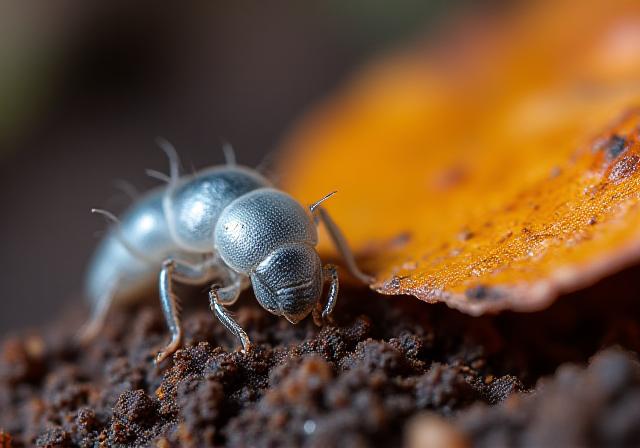
- Springtails: Tiny hexapods that feast on mold and fungi.
- Isopods: Woodlice that break down leaf litter and animal waste.
- Earthworms: Aerators that keep the soil from compacting.
Substrate Layering: The Foundation
A successful bioactive tank is built from the bottom up. Without proper drainage, roots will rot and the soil will turn anaerobic.
1. Drainage Layer (Leca)
Clay balls or gravel that create a reservoir for excess water.
2. Separation Mesh
A fine net that prevents soil from falling into the drainage layer.
3. Bioactive Soil Mix
A blend of coco-coir, orchid bark, sphagnum moss, and charcoal.
4. Leaf Litter
Dried leaves that provide food and hiding spots for your CUC.
Botanical Selection
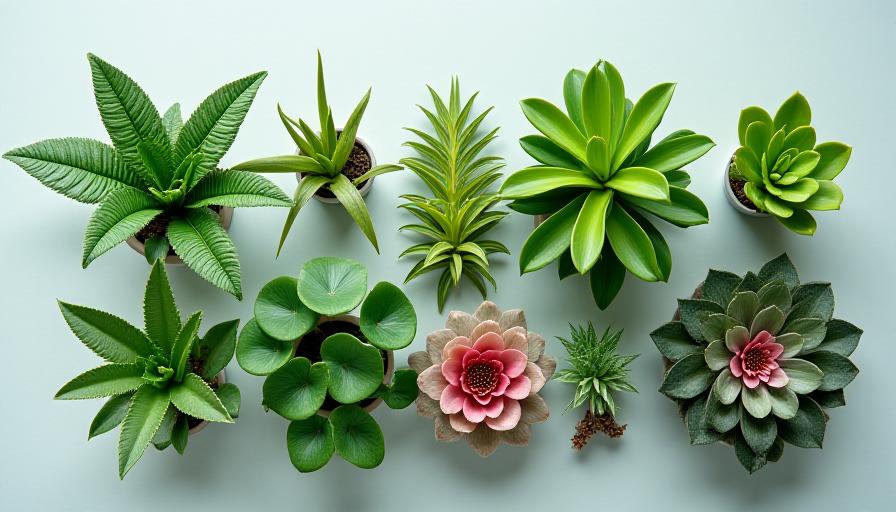
Choosing the right plants depends on your species. High-humidity reptiles like Crested Geckos love Pothos or Bromeliads, while more arid setups might use Sansevieria.
Maintenance & Monitoring
While bioactive tanks are low maintenance, they aren't "no maintenance." Periodically check the humidity, prune fast-growing plants, and top up leaf litter every few months to keep your clean-up crew fed. If you see mushrooms popping up—don't panic! It's a sign of a healthy, functioning ecosystem.